
The Unstoppable Tide of Technology: Embracing Change While Navigating Challenges

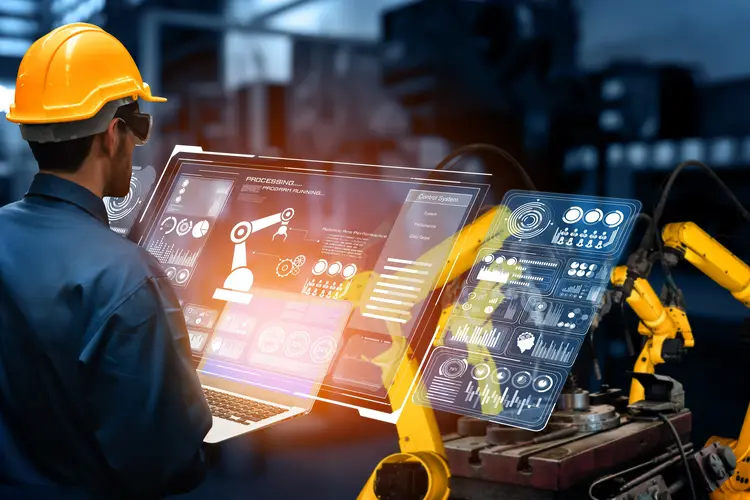
The story of technology is one of relentless progress—one that has shaped the course of human history, altered how we interact with the world, and redefined what is possible. From the invention of the wheel to the rise of artificial intelligence, technological advancements have been catalysts for societal evolution, disrupting old paradigms and paving the way for new ones. However, as we stand on the precipice of the future, with innovations such as quantum computing, autonomous vehicles, and bioengineering on the horizon, the relationship between humanity and technology has never been more complex. While the potential benefits of technology are immense, so too are the challenges it presents. The question, then, is not whether technology will continue to reshape our lives—it most certainly will—but rather how we, as a society, will choose to harness its power and mitigate its risks.
The Evolution of Technology: From the Mundane to the Extraordinary
Technology, in its simplest form, is the application of scientific knowledge for practical purposes. In the early stages of human civilization, it consisted of basic tools—sharp stones, rudimentary wheels, and fire—enabling people to survive, work, and build. But as the centuries passed, these tools became more sophisticated, with significant leaps forward during the Industrial Revolution in the 18th and 19th centuries. Innovations such as the steam engine, the telegraph, and later the telephone transformed communication and industry, setting the stage for the modern age.
The digital revolution of the 20th century brought about the most dramatic changes. The invention of the computer, followed by the internet, radically altered not just the way we work, but how we live. Information, once the domain of a select few, was democratized, available to anyone with access to a computer. Communication became instantaneous, transcending geographical boundaries and uniting the world in a web of connections. The advent of smartphones and mobile computing further accelerated this transformation, putting the power of the internet in the palm of our hands and shifting the balance of power in nearly every industry.
Today, we are on the verge of the next technological frontier. Artificial intelligence, blockchain, and biotechnology promise to further reshape society in ways we can only begin to comprehend. Yet, with each new advancement comes a complex array of questions about their implications for humanity, ethics, and the future of work.
The Benefits of Technology: Empowering Individuals and Societies
The most obvious benefit of technology lies in its ability to improve our lives. Take healthcare, for example. Medical technology has made extraordinary strides over the past century, significantly increasing life expectancy and improving the quality of life for millions. Robotic surgeries, telemedicine, and AI-powered diagnostic tools have transformed how diseases are diagnosed and treated. Personalized medicine, driven by advancements in genomics and biotechnology, promises to further tailor healthcare to the individual, making treatments more effective and less invasive.
Moreover, technology has revolutionized education. With online learning platforms, educational resources are now accessible to people around the world, regardless of their location or socioeconomic status. Students can learn at their own pace, accessing a wealth of information that would have been unimaginable just a few decades ago. This democratization of knowledge is not only helping to bridge the educational gap between different regions but also empowering individuals to take control of their own learning journeys.
In the realm of business, technology has streamlined operations, increased efficiency, and fostered innovation. Companies can now use big data and AI to predict consumer behavior, optimize supply chains, and improve customer experiences. Automation has revolutionized manufacturing, reducing costs and enhancing productivity. E-commerce has broken down barriers to trade, enabling businesses of all sizes to reach a global market. The internet has also given rise to the gig economy, providing individuals with new opportunities to earn income and engage in flexible work arrangements.
The Challenges of Technology: A Double-Edged Sword
While the benefits of technology are undeniable, the challenges it presents cannot be ignored. One of the most pressing concerns is the impact of automation on employment. As machines and algorithms become increasingly capable of performing tasks traditionally carried out by humans, entire industries are facing the prospect of mass job displacement. Manufacturing, logistics, customer service, and even white-collar jobs in fields such as finance and law are already being affected by automation. While some argue that this will lead to the creation of new jobs in tech-driven sectors, others fear that the pace of technological change will outstrip the ability of workers to retrain and adapt. This has led to calls for policies such as universal basic income (UBI) to provide a safety net for those whose jobs are displaced by automation.
Another challenge is the issue of privacy and data security. The rise of the internet and digital technologies has led to the collection of vast amounts of personal data. From online shopping habits to social media activity, individuals leave digital footprints that can be tracked, analyzed, and exploited. This data is valuable to companies, governments, and hackers alike. Data breaches have become a common occurrence, exposing sensitive information and threatening individuals’ privacy. The question of who owns and controls this data has become a critical issue, with concerns about surveillance, identity theft, and the misuse of personal information.
Technology also raises significant ethical questions, particularly in the realms of artificial intelligence and biotechnology. As AI systems become more advanced, questions about their autonomy and decision-making capabilities become more urgent. Can we trust machines to make ethical decisions, particularly in fields such as healthcare and criminal justice? The use of AI in areas like facial recognition and predictive policing has sparked debates about privacy, racial bias, and civil liberties. Similarly, advancements in biotechnology, such as gene editing, raise moral questions about the limits of human intervention in natural processes. While gene therapy holds the potential to cure genetic diseases, it also presents the possibility of “designer babies” and unintended genetic consequences.
The Future of Technology: A Balancing Act
As we look to the future, the role of technology in society is likely to continue evolving at an exponential pace. New technologies will undoubtedly bring about new opportunities, but they will also present new challenges that require careful consideration. The key to navigating this future lies in finding a balance—leveraging the benefits of technology while addressing its potential risks.
Governments, corporations, and individuals all have a role to play in ensuring that technology is used ethically and responsibly. Regulation will be necessary to address issues such as data privacy, AI ethics, and the impact of automation on employment. Education systems must adapt to prepare future generations for the technological landscape they will inherit, emphasizing digital literacy and the skills needed to thrive in a tech-driven world. At the same time, we must remain vigilant about the social and environmental impact of technology, ensuring that it serves to enhance human flourishing rather than exacerbate inequalities or harm the planet.
Ultimately, technology is not a force unto itself—it is a reflection of human values, choices, and priorities. If we can harness it wisely, it will continue to be a powerful tool for progress, empowering individuals, improving quality of life, and helping solve some of the world’s most pressing problems. But if we allow it to outpace our capacity to govern and guide it, we risk facing consequences that could undermine the very fabric of society.
Conclusion: Embracing the Future
As we stand at the crossroads of technological progress, we must recognize that the future will be shaped not by technology alone, but by how we choose to integrate it into our lives. The opportunities are boundless, but so too are the challenges. Our collective responsibility is to ensure that technology serves the greater good—fostering equality, enhancing well-being, and creating a more sustainable future for generations to come. Technology, for all its potential, will be as much a reflection of our values as it is a product of our ingenuity. The question remains: will we shape technology, or will technology shape us?

Comments are closed.